
Recognizing and Treating Sleep Apnea
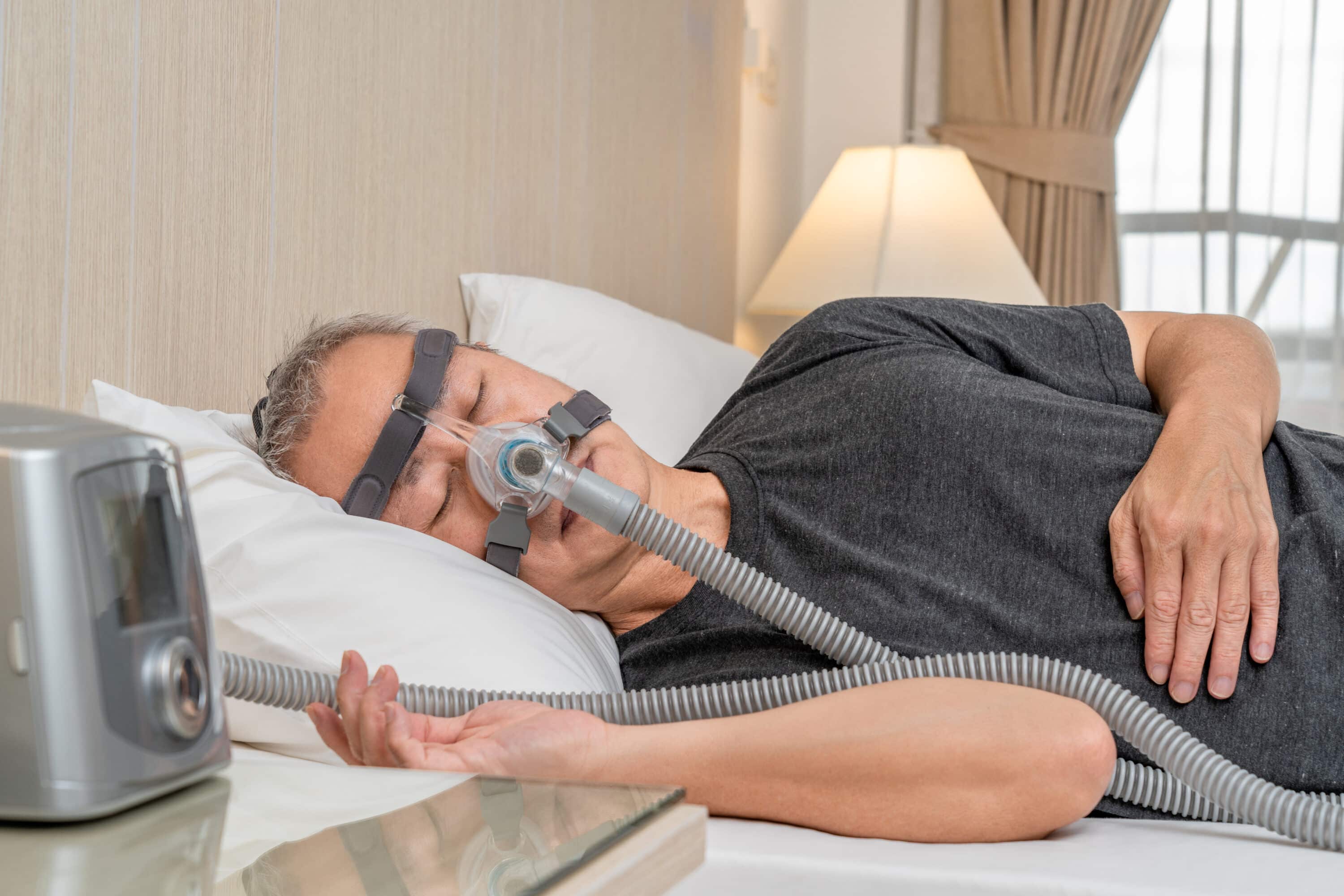
Sleep apnea is a common disorder where breathing repeatedly stops and starts during sleep. These breathing pauses can last from a few seconds to minutes and often occur five to 30 times or more per hour. When normal breathing resumes, you typically hear a loud snort or choking sound that disrupts sleep quality.
You might have sleep apnea if you experience excessive daytime sleepiness, loud chronic snoring, or your partner notices you gasping for air during sleep. Understanding this condition and seeking proper treatment can dramatically improve your quality of life and protect your long-term health.
Understanding the Three Types of Sleep Apnea
Sleep apnea isn’t a one-size-fits-all condition. Understanding which type affects you helps determine the most effective treatment approach.
Obstructive Sleep Apnea (OSA)
Obstructive Sleep Apnea is the most common type of sleep apnea. It occurs when throat muscles relax during sleep, causing the airway to collapse or become blocked. Several physical features can increase your risk of developing OSA:
• Having a large tongue or tonsils
• A naturally small airway
• A recessed chin
• Excess weight that adds soft tissue around the throat
• A large neck circumference
Central Sleep Apnea (CSA)
Central Sleep Apnea happens when your brain stops sending proper signals to the muscles that control breathing. Unlike OSA, the airway remains open, but your body simply stops trying to breathe. This type often relates to heart and brain conditions.
Mixed Sleep Apnea
Mixed Sleep Apnea combines both obstructive and central types. Because both factors contribute to the breathing interruptions, treatment becomes more complex and requires addressing multiple underlying issues.
What Causes Sleep Apnea to Develop

When you sleep, your throat muscles naturally relax. For most people, this relaxation doesn’t prevent normal breathing. However, with obstructive sleep apnea, your airway becomes blocked or narrowed during sleep. Your airway can become blocked when throat muscles and tongue relax more than normal during sleep. The shape of your head and neck may create a naturally smaller airway size in the mouth and throat area. Extra soft fat tissue from being overweight can thicken the windpipe wall, narrowing the inside opening.
Additionally, your tongue and tonsils might be large compared to the opening into your windpipe. The aging process limits your brain’s ability to keep throat muscles stiff during sleep. This natural change makes it more likely that your airway will narrow or collapse as you get older.
Recognizing the Signs and Symptoms
Loud and chronic snoring is one of the most common signs of obstructive sleep apnea. However, not everyone who snores has sleep apnea. The key difference is that sleep apnea snoring includes pauses followed by choking or gasping sounds.
Adult Symptoms You Shouldn’t Ignore:
1. Physical signs often include having a large neck size—17 inches or more in men, 16 inches or more in women.
2. You might wake up with morning headaches that occur regularly or notice a dry throat upon waking.
3. Many people with sleep apnea experience frequent nighttime urination.
5. Daytime symptoms affect your quality of life significantly.
6. Memory or learning problems become noticeable, along with difficulty concentrating on daily tasks.
7. You might feel irritable, depressed, or notice mood swings and personality changes that seem out of character.
Recognizing Sleep Apnea in Children

Children with sleep apnea display different symptoms than adults.
1. They often show hyperactivity rather than sleepiness, leading to poor school performance and angry or hostile behavior.
2. You might notice unusual sleeping positions, bedwetting in previously dry children, or mouth breathing during the day instead of normal nasal breathing.
The Serious Health Risks of Untreated Sleep Apnea

When your airway becomes blocked during sleep, your blood oxygen level drops. Your brain responds by briefly disturbing your sleep to tighten the upper airway muscles and reopen your windpipe. While this protective mechanism keeps you breathing, it severely disrupts your sleep quality night after night. These repeated oxygen drops trigger your body to release stress hormones. The compounds raise your heart rate and significantly increase your risk of developing high blood pressure, experiencing a heart attack or stroke, developing arrhythmias (irregular heartbeats), or experiencing heart failure.
Untreated sleep apnea also changes how your body uses energy. This metabolic disruption increases your risk of obesity and diabetes, creating a dangerous cycle where poor sleep leads to weight gain, which then worsens the sleep apnea.
How Sleep Apnea Is Diagnosed
Sleep apnea often goes undiagnosed because it only occurs during sleep. Most people discover they have it when a family member or bed partner notices the signs. Healthcare providers can’t detect the condition during routine office visits, and no blood tests exist for sleep apnea.
The diagnostic process begins with a thorough medical and family history evaluation. Your healthcare provider will ask about your symptoms, sleep patterns, and risk factors. A physical examination follows, looking for features that might contribute to sleep apnea, such as enlarged tonsils or a recessed chin. If sleep apnea is suspected, you’ll receive a referral to a sleep specialist. These healthcare providers specialize in diagnosing and treating sleep problems. Sleep specialists include lung specialists, nerve specialists, and ear, nose, and throat specialists who have additional training in sleep medicine.
Treatment Options That Can Transform Your Life
Sleep apnea is treatable, and finding the right treatment can transform your daily life. Treatment improves your sleep quality while reducing your risk of heart disease, stroke, and diabetes. The most effective approach depends on the type and severity of your sleep apnea.
Lifestyle Changes That Make a Difference

Simple modifications to your daily routine can significantly improve mild sleep apnea.
1. Weight loss, if you’re overweight, often reduces the soft tissue that narrows your airway.
2. Sleeping on your side instead of your back prevents your tongue from falling backward and blocking your throat.
3. Avoiding alcohol and sedatives before bedtime helps maintain better muscle tone in your throat during sleep.
Medical Treatments for Lasting Relief
When lifestyle changes aren’t enough, medical interventions provide effective solutions. Continuous Positive Airway Pressure (CPAP) devices keep your airway open by delivering steady air pressure through a mask. Oral appliances reposition your jaw or tongue to maintain an open airway. For some patients, surgery to remove excess tissue or correct structural problems offers a permanent solution. Medicines typically aren’t used to treat sleep apnea. The condition requires mechanical or structural solutions rather than pharmaceutical intervention.
Taking Action for Better Sleep and Health
Don’t wait to seek help if you suspect you have sleep apnea. The condition won’t improve on its own and often worsens over time. Early diagnosis and treatment prevent serious health complications while dramatically improving your energy levels and overall wellbeing. Start by having an honest conversation with your healthcare provider. Describe your snoring patterns, daytime fatigue, and any observations your partner has made about your sleep. Include details about morning headaches, mood changes, or difficulty concentrating. Your provider can then determine whether you need specialized evaluation. Treating sleep apnea protects your long-term health and potentially saves your life. Most patients experience significant improvements in their energy levels, mood, and overall health within weeks of starting treatment. The investment in proper diagnosis and treatment pays dividends through better sleep, improved relationships, and reduced health risks.
For residents seeking a sleep apnea dentist in San Antonio, TX, or other dental-related sleep issues, professional help is available.
Contact Orsatti Dental at (210) 263-1014 to discuss your concerns and explore treatment options that can help you achieve better sleep and improved health.