
WISDOM TEETH REMOVAL
Between the ages of 17 and 25, most people face a dental milestone their parents and grandparents likely remember: wisdom teeth. These third molars earned their name because they arrived during the transition to adulthood, but the irony is that keeping them is rarely the wise choice. For most patients, these teeth cause more problems than they solve.
At Orsatti Dental, our San Antonio dental team regularly evaluates and removes wisdom teeth. We understand the anxiety surrounding this procedure and have structured our approach to maximize comfort while ensuring a thorough, safe extraction. Whether your wisdom teeth are already causing problems or your dentist has recommended preventive removal, we provide the expert care that makes this standard procedure as straightforward as possible.
Why Wisdom Teeth Rarely Fit
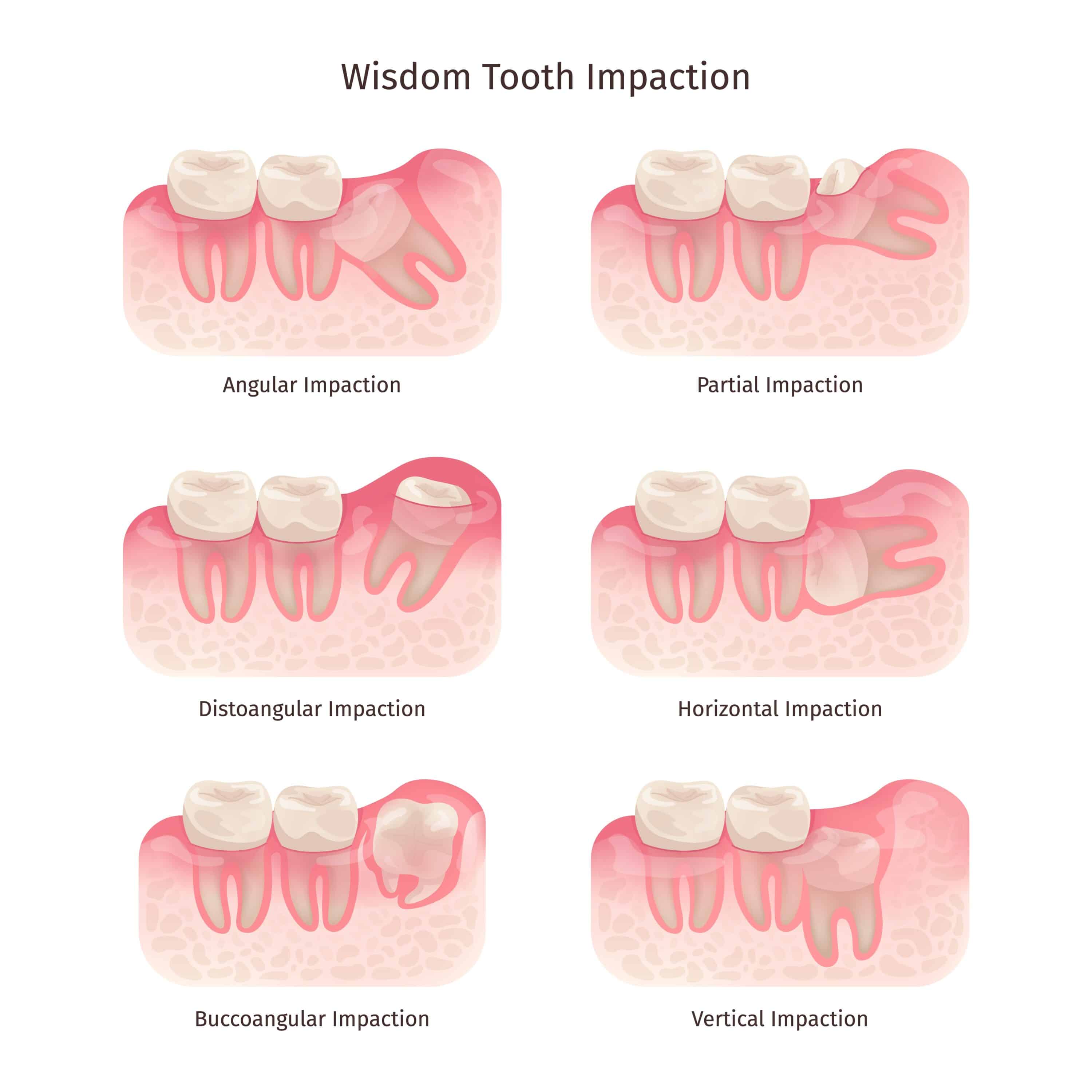
Human jaws have grown smaller over thousands of years of evolution, but our teeth have not caught up. Our ancient ancestors needed powerful jaws and extra molars to process tough, uncooked foods. Modern diets and cooking methods have changed our needs, but we still develop the same number of teeth our ancestors had, with less space to accommodate them.
This evolutionary mismatch means most people lack adequate room for wisdom teeth to emerge properly. When these teeth try to push through without sufficient space, they become impacted. Impaction occurs when a tooth remains fully or partially trapped beneath the gum line, or when it grows at an angle that prevents normal eruption.
Even wisdom teeth that do emerge often create problems. Their position at the very back of the mouth makes them nearly impossible to clean effectively. Toothbrush bristles and floss cannot adequately reach these areas, allowing decay and gum disease to develop despite good oral hygiene elsewhere.
Reasons Wisdom Teeth Need Removal

Not everyone needs wisdom tooth extraction, but most people benefit from it. Understanding why dentists recommend extraction helps patients make informed decisions about their care.
Impaction causes pain or infection. Impacted wisdom teeth often become painful as they press against bone, neighboring teeth, or nerves. Partially erupted teeth create openings where bacteria can enter and thrive, leading to infections called pericoronitis that cause swelling, pain, difficulty opening the mouth, and sometimes fever.
Damage to adjacent teeth. Wisdom teeth growing at angles can push against second molars, damaging these otherwise healthy teeth. The pressure can create cavities on difficult-to-reach surfaces, resorb the root structure, or shift teeth out of alignment.
Cyst formation. Impacted teeth sometimes develop fluid-filled sacs called cysts. These cysts can destroy surrounding bone, damage nearby teeth, and, in rare cases, become tumors requiring more extensive surgery. Removing wisdom teeth prevents cyst formation entirely.
Decay and gum disease. The inaccessible position of wisdom teeth makes them prone to cavities and periodontal problems. Treating decay on wisdom teeth is often impractical given their location, and the infection can spread to neighboring teeth.
Orthodontic considerations. Wisdom teeth can undo orthodontic work by pushing other teeth forward as they attempt to erupt. Many orthodontists recommend removing braces before or after treatment to protect the investment in straightening teeth.
Preventive removal. Younger patients heal faster and have less developed roots, making extraction more straightforward and recovery quicker. Many dentists recommend removing wisdom teeth in the late teens or early twenties, even without current symptoms, to prevent future complications.
What Happens During Wisdom Teeth Removal
Wisdom teeth extraction ranges from straightforward to complex, depending on tooth position, root development, and degree of impaction. Understanding the general process helps reduce anxiety about the procedure.
Evaluation and Planning
Your extraction begins with a thorough evaluation, including dental X-rays or 3D imaging. These images reveal exactly how your wisdom teeth are positioned, their relationship to nerves and sinuses, and any complications that require special planning. Based on this assessment, your dentist develops an extraction strategy and recommends appropriate anesthesia.
Anesthesia Options
Our dental clinic in San Antonio offers multiple anesthesia options to ensure your comfort. Local anesthesia numbs the extraction area while you remain awake. Nitrous oxide (laughing gas) adds relaxation while maintaining consciousness. Oral sedation or IV sedation provides deeper relaxation, with many patients remembering little of the procedure. Your dentist recommends the best option based on the complexity of the extraction and your anxiety level.
The Extraction Process
Once anesthesia takes effect, your dentist accesses the tooth. Fully erupted teeth may require only loosening and lifting from the socket. Impacted teeth need an incision through the gum tissue to expose the tooth. In some cases, the tooth is divided into sections for easier removal or a small amount of bone is removed to access the tooth.
After extraction, the socket is cleaned, and any debris is removed. Dissolvable stitches close the incision if one was made. Gauze placed over the extraction site helps control bleeding and promotes blood clotting. The entire procedure typically takes 45 minutes to an hour for all four wisdom teeth, though time varies based on complexity.
Recovery After Wisdom Teeth Removal
Most patients recover from wisdom tooth removal within a week, though the timeline varies depending on the complexity of the extraction and individual healing rates. Following post-operative instructions carefully speeds recovery and prevents complications.
The First 24 Hours
Plan to rest for the remainder of the extraction day. Keep gauze in place with gentle biting pressure for 30 to 45 minutes to control bleeding. Some oozing is normal for the first day. Apply ice packs to your cheeks every 20 minutes to minimize swelling. Take prescribed pain medication before the anesthesia fully wears off to stay ahead of discomfort.
Eat only soft, cool foods, such as yogurt, applesauce, or smoothies. Avoid hot foods and beverages that can dissolve blood clots. Do not use straws, spit forcefully, or smoke, as the suction can dislodge clots and cause painful dry socket. Sleep with your head elevated to reduce swelling.
Days 2 Through 7
Swelling peaks on day two or three, typically, then gradually improves. Continue ice application as needed and switch to moist heat after 48 hours if preferred. Bruising may appear along the jaw and neck, which is normal and resolves within a week or two.
Begin gentle saltwater rinses 24 hours after surgery to keep the extraction sites clean. Gradually return to normal foods as comfort allows, avoiding anything crunchy, chewy, or small (like rice or seeds) that could lodge in extraction sites. Most patients return to work or school within two to three days.
Potential Complications and Warning Signs
While most wisdom teeth extractions heal without problems, being aware of potential complications helps you respond appropriately if they occur.
Dry socket. The most common complication occurs when the blood clot dislodges or dissolves before healing is complete, exposing the underlying bone. Dry socket causes intense, radiating pain, typically starting 3 to 4 days after extraction. Contact your dentist immediately if you experience this, as treatment provides rapid relief.
Infection. Signs include fever, worsening pain after day three, worsening swelling rather than improvement, foul taste, or discharge from the extraction sites. Infections require prompt treatment with antibiotics and possibly drainage.
Nerve injury. Lower wisdom teeth sit near nerves that provide sensation to the lower lip, chin, and tongue. Temporary numbness or tingling occasionally occurs and usually resolves within weeks. Permanent nerve injury is rare, occurring in less than 1% of extractions.
Excessive bleeding. Some bleeding is normal, but if it persists and becomes heavy despite biting on gauze for an hour, contact your dentist. Avoid activities that raise blood pressure and follow all post-operative instructions to minimize the risk of bleeding.
Wisdom Teeth Removal at Orsatti Dental
Since 1986, our practice has provided gentle, skilled oral surgery for San Antonio families. Wisdom teeth extraction is one of our most frequently performed procedures, giving our San Antonio dentists extensive experience with both routine and complex cases.
We prioritize patient comfort at every step. From the initial consultation where we explain findings and answer questions, through the procedure itself with appropriate sedation options, to detailed post-operative care instructions, our team ensures you feel supported throughout your experience.
Our facility features advanced imaging technology for accurate evaluation and surgical equipment for efficient, precise extraction. We maintain rigorous sterilization protocols and emergency preparedness. Most importantly, we create a calm, reassuring environment that helps anxious patients feel at ease.
Wisdom Teeth Removal Questions Answered
How long does recovery from wisdom teeth removal take?
Initial recovery takes about one week for most patients. Swelling and discomfort peak around days two and three, then steadily improve. Most people return to work or school within 2 to 3 days, though strenuous activity should be avoided for a week. Complete healing of the extraction sites takes several weeks to a few months as bone and soft tissue fully regenerate. However, you will feel functionally normal and can resume your regular diet within one to two weeks. Younger patients typically recover faster than older adults, which is one reason dentists often recommend removal in the late teens or early twenties.
How much does wisdom teeth removal cost in San Antonio?
Wisdom tooth removal costs vary based on complexity and the type of anesthesia. Simple extraction of a fully erupted tooth typically costs $150 to $300 per tooth. Surgical extraction of impacted teeth ranges from $300 to $600 per tooth. Removing all four wisdom teeth generally costs $1,000 to $3,000 total. Sedation adds $200 to $600, depending on the type used. Many dental insurance plans cover a portion of the cost of wisdom tooth removal when deemed medically necessary. Our team provides detailed cost estimates after evaluation and helps verify your insurance benefits before scheduling extraction.
How painful is wisdom teeth removal?
During the procedure, you should feel no pain thanks to local anesthesia that completely numbs the extraction area. With sedation, most patients feel relaxed and unaware of the procedure. After anesthesia wears off, expect soreness and discomfort that peaks around day two or three. Prescription pain medication manages this effectively for most patients, and many find over-the-counter options sufficient after the first day or two. The anticipation of wisdom teeth removal is usually worse than the actual experience. Patients frequently tell us the procedure was easier than they expected.
What should I do and not do after wisdom teeth removal?
Do: Rest for the first 24 hours. Bite gently on gauze to control bleeding. Apply ice packs to reduce swelling. Take pain medication as directed before discomfort becomes severe. Eat soft, cool foods. Sleep with your head elevated. Rinse gently with saltwater starting 24 hours after surgery. Brush teeth carefully, avoiding extraction sites initially.
Do not: Use straws for at least a week, as suction can dislodge clots. Smoke or use tobacco products, which dramatically increase the risk of dry socket. Spit forcefully or rinse vigorously. Eat hard, crunchy, or chewy foods. Exercise strenuously for a week. Touch extraction sites with fingers or tongue. Drink alcohol while taking pain medication. Ignore signs of infection, such as fever or worsening pain.
Can I be put to sleep for wisdom teeth removal?
Yes. While true general anesthesia (complete unconsciousness) is available but rarely necessary for wisdom teeth removal, IV sedation creates a deeply relaxed, sleep-like state where most patients have no memory of the procedure. Oral sedation provides moderate relaxation and reduced awareness. Nitrous oxide (laughing gas) offers lighter relaxation while keeping you fully conscious. We recommend sedation options based on your anxiety level and extraction complexity. Many anxious patients find that sedation transforms what they feared into a surprisingly easy experience.
At what age should wisdom teeth be removed?
Most dentists recommend evaluating wisdom teeth in the mid to late teens and removing them between ages 17 and 25 if extraction is indicated. At this age, roots are not fully formed, bone is less dense, and healing occurs quickly. Waiting until problems develop often means more complex extractions, longer recovery, and higher complication rates. However, wisdom teeth can be safely removed at any age when necessary. Older adults may need more recovery time and face slightly higher risks, but extraction remains a routine procedure for patients of all ages.
Schedule Your Wisdom Teeth Evaluation
Whether you are experiencing wisdom teeth symptoms or simply want to know where your third molars stand, evaluation provides the information you need to make wise decisions about your oral health. Early assessment often means simpler treatment if extraction becomes necessary.
Your consultation includes a thorough examination, imaging to visualize tooth position, and an honest discussion of findings and recommendations. We explain your options clearly and answer every question. If you decide to proceed with extraction, our team guides you through scheduling, preparation, and recovery planning.
Contact Orsatti Dental at (210) 479-8989 to schedule your wisdom teeth evaluation. Our San Antonio dental clinic is located at 15303 Huebner Rd, Bldg #14, San Antonio, TX 78248. We welcome patients Monday through Thursday from 8:00 AM to 5:00 PM and Friday from 8:00 AM to 12:00 PM.
Do not wait for wisdom teeth pain to disrupt your life. Our experienced team is ready to help you understand your situation and, if needed, provide a comfortable, expert extraction that sets you up for long-term oral health.