
ROOT CANALS
Root canals have an unfair reputation. For decades, this procedure has been the punchline for anything unpleasant, yet the reality is quite the opposite. Modern root canal treatment relieves pain rather than causes it. The infection already present in your tooth is the source of agony. The procedure eliminates that infection and the suffering that comes with it.
At Orsatti Dental, we perform root canals regularly for patients who arrive in discomfort and leave with relief. Our San Antonio dentists use advanced techniques and technology that have transformed this treatment into something routine, efficient, and far more comfortable than most people expect. If you have been told you need a root canal, understanding what actually happens can replace anxiety with confidence.
What Happens Inside an Infected Tooth
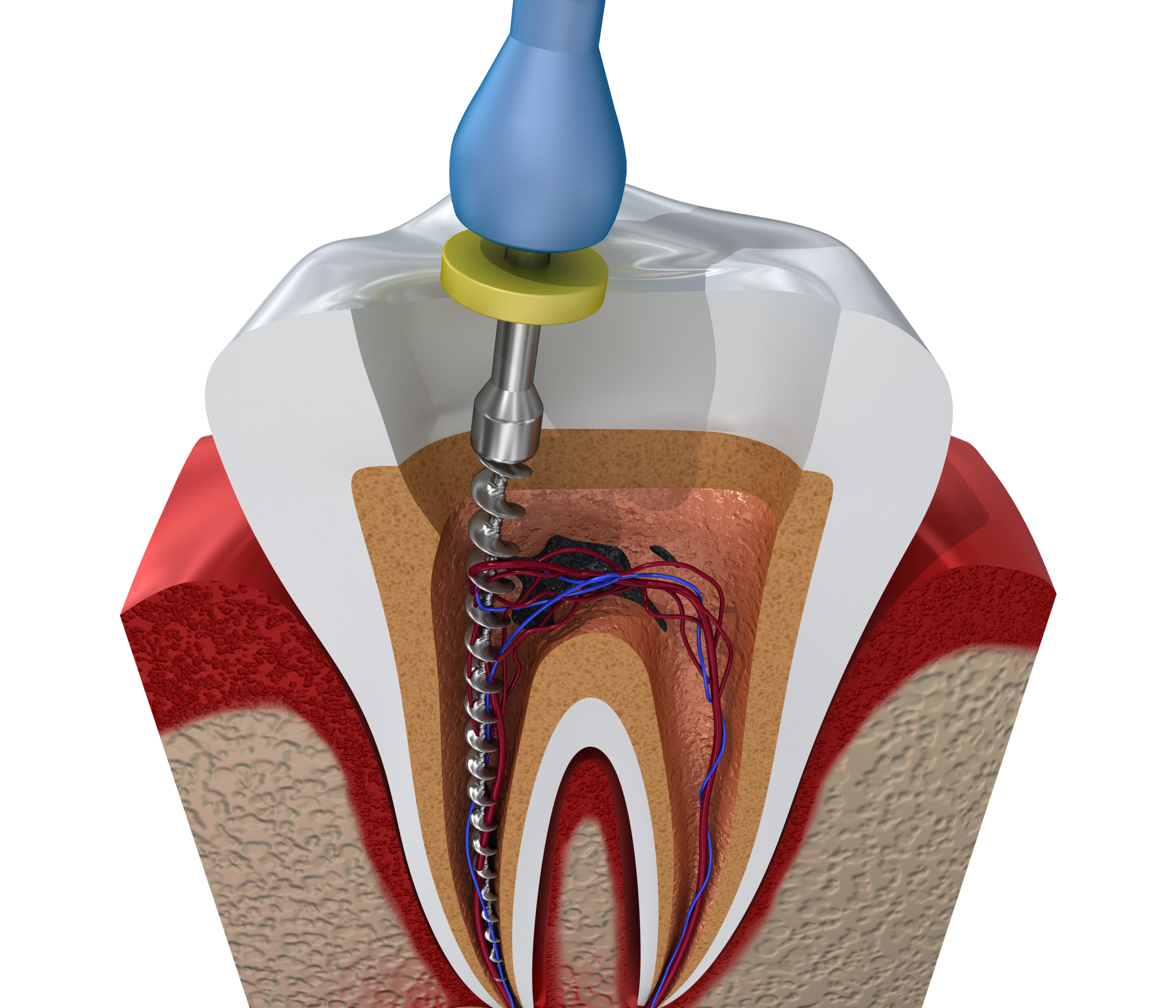
Every tooth contains soft tissue called pulp in its center. This pulp fills a chamber in the crown and extends down through narrow channels called root canals to the tips of the roots. The pulp contains nerves, blood vessels, and connective tissue that helped your tooth develop during childhood. Once a tooth fully matures, it can survive without the pulp because surrounding tissues continue supplying nutrients.
Problems begin when bacteria reach this pulp chamber. Deep cavities that penetrate through enamel and dentin eventually expose the pulp to oral bacteria. Cracks or fractures in teeth create pathways for bacterial invasion. Trauma can damage pulp even without visible cracks. Repeated dental procedures on the same tooth sometimes irritate the pulp beyond its ability to heal.
Once bacteria colonize the pulp, infection develops. The tissue becomes inflamed, swells within its confined space, and presses against nerves. This pressure creates the intense, throbbing pain associated with tooth infection. Left untreated, the infection kills the pulp, spreads through the root tips into surrounding bone, and can form an abscess. Root canal treatment removes this infected tissue, eliminates bacteria, and seals the space to prevent reinfection.
Warning Signs That Indicate Infection
Tooth infections announce themselves through symptoms that range from subtle to impossible to ignore. Recognizing these signs early leads to simpler treatment and better outcomes.
Persistent pain. A toothache that lingers for days rather than hours suggests pulp involvement. The pain may be constant or come and go. It might radiate to your jaw, ear, or other teeth, making it difficult to identify exactly which tooth is causing problems.
Temperature sensitivity that lingers. Brief sensitivity to hot or cold is common and usually harmless. However, when pain from hot coffee or cold water persists for minutes after the stimulus is removed, the pulp may be inflamed or dying.
Pain when chewing or touching the tooth. Infection at the root tip makes the surrounding bone tender. Biting down or even pressing on the tooth can trigger sharp pain. This sensitivity often worsens as the infection progresses.
Swelling in the gums or face. A small bump on the gum near a tooth root, sometimes called a gum boil or fistula, indicates your body is trying to drain an infection. Facial swelling represents a more serious spread and requires prompt attention.
Tooth discoloration. A tooth that appears darker than its neighbors may have dying or dead pulp. The discoloration results from breakdown products of damaged tissue, which discolor the tooth from within.
Some infections develop silently without obvious symptoms. This is why regular checkups at our dental clinic in San Antonio matter. X-rays reveal infections in their early stages before they cause pain or extensive damage.
The Root Canal Procedure Explained

Understanding each step of treatment helps patients feel prepared and in control. Here is exactly what happens during a root canal at our San Antonio office.
Step 1: Diagnosis and Imaging
Your dentist examines the tooth, tests its response to temperature and pressure, and takes digital X-rays to visualize the root structure and extent of infection. This information guides treatment planning and helps identify complexities, such as curved roots or additional canals.
Step 2: Anesthesia and Isolation
Local anesthesia numbs the tooth and the surrounding area thoroughly. You should feel no pain during the procedure. Once numb, a rubber dam isolates the tooth, keeping it clean and dry throughout treatment while protecting you from irrigating solutions.
Step 3: Accessing the Pulp Chamber
Your dentist creates a small opening through the crown of the tooth to reach the pulp chamber. This access point is similar to what would be made for a filling. For back teeth, this opening is on the chewing surface. For front teeth, it is on the back of the tooth.
Step 4: Removing Infected Tissue
Using specialized instruments called files, your dentist removes the infected pulp from the chamber and each root canal. These files come in progressively larger sizes, allowing thorough canal wall cleaning and shaping. The goal is to remove all infected tissue while preserving tooth structure.
Step 5: Cleaning and Disinfecting
Antimicrobial solutions flush through the canals multiple times during treatment, killing remaining bacteria and washing away debris. This irrigation reaches areas that instruments cannot, ensuring thorough disinfection. The canals are then dried with tiny paper points.
Step 6: Filling and Sealing
Once clean and dry, the canals are filled with a biocompatible rubber-like material called gutta-percha. This material is heated and compressed to completely fill the canal space, sealing it against future bacterial invasion. A temporary or permanent filling closes the access opening.
Step 7: Restoration
Most root canal-treated teeth need a crown for long-term protection. The crown covers and reinforces the tooth, preventing fracture during normal chewing. We may place a post inside the canal first if significant tooth structure was lost to decay or the access preparation.
Recovery After Root Canal Treatment
Most patients are pleasantly surprised by how straightforward recovery is. The intense pain that brought you to the dentist disappears once the infected tissue is removed. What remains is minor soreness that resolves within days.
Expect some tenderness when biting for the first few days as surrounding tissues heal from the infection and procedure. Over-the-counter pain relievers such as ibuprofen or acetaminophen effectively manage this discomfort for most patients. Your dentist may prescribe antibiotics if the infection has spread beyond the tooth.
Avoid chewing on the treated tooth until your permanent restoration is placed. The temporary filling protects the tooth but cannot withstand heavy forces. Eat on the opposite side and stick to softer foods initially. Most patients return to normal activities the day after treatment.
Brush and floss normally, being gentle around the treated tooth. Keep all follow-up appointments to ensure proper healing and complete your restoration. Contact us if you experience severe pain, worsening swelling, or if the temporary filling dislodges.
The Value of Saving Your Natural Tooth
Some patients wonder why they should not just extract an infected tooth and be done with it. While extraction is sometimes necessary, preserving your natural tooth offers significant advantages.
Natural teeth maintain jawbone health. Tooth roots stimulate the surrounding bone through chewing forces. When a tooth is removed, this stimulation stops, and the bone gradually shrinks. This resorption can affect neighboring teeth and change facial appearance over time.
Keeping your tooth prevents the chain reaction that follows extraction. Adjacent teeth drift toward the gap, opposing teeth over-erupt into the space, and your bite changes. These shifts create cleaning difficulties, uneven wear, and potential jaw problems.
Root canal treatment plus a crown typically costs less than extraction followed by an implant or bridge to replace the missing tooth. Even with the best replacement options, nothing functions quite like your natural tooth. Saving it when possible makes clinical and financial sense.
Root Canal Treatment at Orsatti Dental
Since 1986, our practice has provided San Antonio families with dental care that combines technical expertise and genuine compassion. We understand that needing a root canal can feel stressful, and we work to make the experience as comfortable and straightforward as possible.
Our dentists have extensive experience performing root canals on teeth ranging from straightforward single-rooted incisors to complex molars with curved or calcified canals. This experience translates to efficient treatment, fewer complications, and predictable outcomes. For highly complex cases, we maintain relationships with endodontic specialists and refer when that expertise would benefit you.
Modern technology supports every procedure. Digital X-rays provide detailed images with minimal radiation. Our sterilization protocols exceed industry standards. Comfortable treatment rooms with amenities help you relax during longer appointments. Most importantly, our team takes the time to explain your condition, answer your questions, and ensure you feel informed and confident about your treatment.
Root Canal Questions Answered
How much does a root canal cost?
Root canal costs vary based on the tooth requiring treatment and the case’s complexity. Front teeth with single roots typically cost between $700 and $1,000. Premolars with one or two roots range from $800 to $1,200. Molars with three or four canals cost between $1,000 and $1,500. These figures cover the root canal procedure itself. Most teeth also need a crown afterward, adding $1,000 to $1,500. Many dental insurance plans cover a significant portion of root canal treatment since it is considered restorative rather than cosmetic. Our team provides detailed estimates and helps you understand your coverage before treatment begins.
What exactly is done during a root canal?
During a root canal, your dentist removes infected or damaged pulp tissue from inside your tooth, cleans and shapes the hollow canal spaces, disinfects them thoroughly, and fills them with a biocompatible sealing material. The procedure begins with local anesthesia to ensure comfort. An access hole is made through the crown of the tooth. Specialized instruments remove the pulp and shape the canals. Antimicrobial solutions flush away bacteria and debris. Once clean, the canals are filled with gutta-percha and sealed. The entire process typically takes 60 to 90 minutes for most teeth.
Why do dentists recommend root canals instead of extraction?
Dentists recommend root canals because saving natural teeth benefits patients more than removing them. Your natural tooth, even without its pulp, functions better than any replacement. It maintains bone density, keeps neighboring teeth properly positioned, and provides a normal chewing sensation. Extraction can cause problems, including bone loss, shifting teeth, and changes in bite. Replacing an extracted tooth with an implant or bridge costs more than root canal treatment and involves additional procedures. A San Antonio dentist who suggests a root canal is recommending the treatment most likely to preserve your oral health long-term, not pushing an unnecessary procedure.
Do I need a crown after a root canal?
Most teeth require crowns after root canal treatment, though the need depends on the tooth treated and the amount of remaining structure. Back teeth, like molars and premolars, endure heavy chewing forces and almost always need crowns to prevent fracture. Front teeth sometimes survive with just a filling if minimal tooth structure was removed, but crowns provide better long-term protection. Root canal-treated teeth become more brittle over time because they no longer receive moisture from living pulp tissue. A crown encases and reinforces the tooth, significantly extending its functional life. Skipping the crown to save money often results in the tooth cracking and requiring extraction.
What is the success rate for root canal treatment?
Root canal treatment has a success rate exceeding 95% when appropriately performed and followed by appropriate restoration. Most treated teeth last the rest of the patient’s life with proper care. Factors that influence success include the extent of the original infection, the complexity of the root anatomy, how well the canals can be cleaned, and whether the tooth receives a crown afterward. Occasionally, a tooth requires retreatment if infection persists or recurs, but this is uncommon. The high success rate makes root canal treatment one of the most predictable procedures in dentistry.
Does a root canal hurt?
Modern root canal treatment does not hurt. Local anesthesia completely numbs the tooth before any work begins. Most patients compare the sensation to getting a routine filling. The actual source of pain is the infection itself, which the procedure eliminates. Patients typically experience dramatic pain relief once the infected tissue is removed. Some tenderness in the days following treatment is normal as tissues heal, but this mild discomfort responds well to over-the-counter pain relievers. The fearsome reputation of root canals comes from an era before effective anesthesia, not from current dental practice.
How long does recovery take after a root canal?
Most patients return to normal activities the day after root canal treatment. The tooth and surrounding area may feel tender for a few days, particularly when biting. This soreness diminishes steadily and usually resolves within a week. During recovery, avoid chewing on the treated tooth until the permanent crown is placed. Take any prescribed antibiotics as directed. Over-the-counter pain medication can manage discomfort for most patients, though your dentist can prescribe a stronger option if needed. Complete healing of the bone around the root tip takes several months, without symptoms or lifestyle restrictions.
Find Relief from Tooth Pain
Tooth infection does not improve on its own. The pain may temporarily subside if the nerve dies, but the infection continues spreading through the bone and can threaten your overall health. Treatment now prevents complications and preserves your natural tooth.
If you are experiencing tooth pain, sensitivity, or swelling, schedule an evaluation at our dental clinic in San Antonio. Our team determines whether root canal treatment is needed and explains exactly what to expect. There is no judgment about how the problem developed, just focused attention on solving it.
Contact Orsatti Dental at (210) 479-8989 to schedule your appointment. Our office is located at 15303 Huebner Rd, Bldg #14, San Antonio, TX 78248. We see patients Monday through Thursday from 8:00 AM to 5:00 PM and Friday from 8:00 AM to 12:00 PM. Emergency appointments are available for severe pain or swelling.